Curated & independently scored by FindyourAI

Best AI Workflow Automation Tools

Reviewed by Sidney de BoerUpdated October 2026
Compare workflow automation tools for approvals, app handoffs and AI workflow builders, with curated picks scored for fit, scale and governance needs.
201 tools reviewed · 36 use cases · 6 top picks · Updated weekly

Works well forOps ManagersRevOps TeamsIT Automation LeadsSaaS Product TeamsAgencies

Overview

AI workflow automation tools connect apps, decisions and handoffs so ops, RevOps and IT teams can run repeatable business processes without rebuilding them manually. They are used for workflow orchestration across approvals, customer operations, internal requests and back-office tasks. FindyourAI scores every tool against the same criteria, including fit, automation depth, reliability signals and team use case, then only lists tools that fit the job.

Freemium

Ops and RevOps teams automating recurring processes with approvals

Relay.app is strong for workflow automation when recurring business processes need structure and control, because its chat-first no-code workflow builder helps Ops and RevOps teams create predictable flows with human review before work moves forward. It fits teams coordinating approvals and handoffs across their existing SaaS stack without relying on engineers for every change. Less suited to teams seeking fully autonomous AI agents because Relay.app is built for defined, repeatable workflows rather than open-ended improvisation.

View Relay.app

FYAI Score

9.0 / 10

Based on 88 reviews
Freemium

Ops and GTM teams automating cross-app workflows at scale

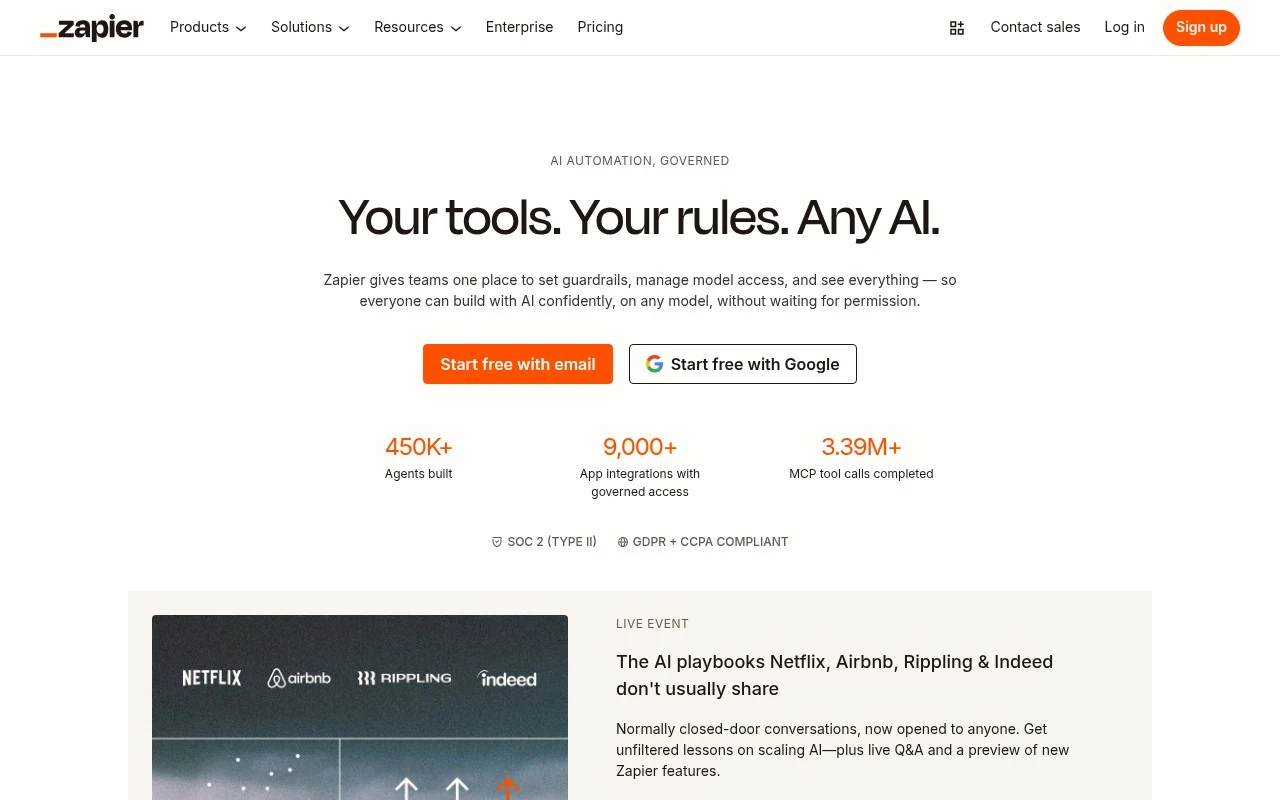
Ops and GTM teams that need to automate work across many business apps will find Zapier a strong fit because its large integration catalog reduces the need to build every connection from scratch. It works well when business users need to create no-code workflows and developers are available to extend more advanced automations when needed. Less suited to teams that need fully bespoke or self-hosted integration infrastructure because Zapier acts as a third-party automation layer between connected systems.

View Zapier

FYAI Score

9.0 / 10

Based on 3,056 reviews

Freemium

Ops and IT teams automating cross-app workflows with governance

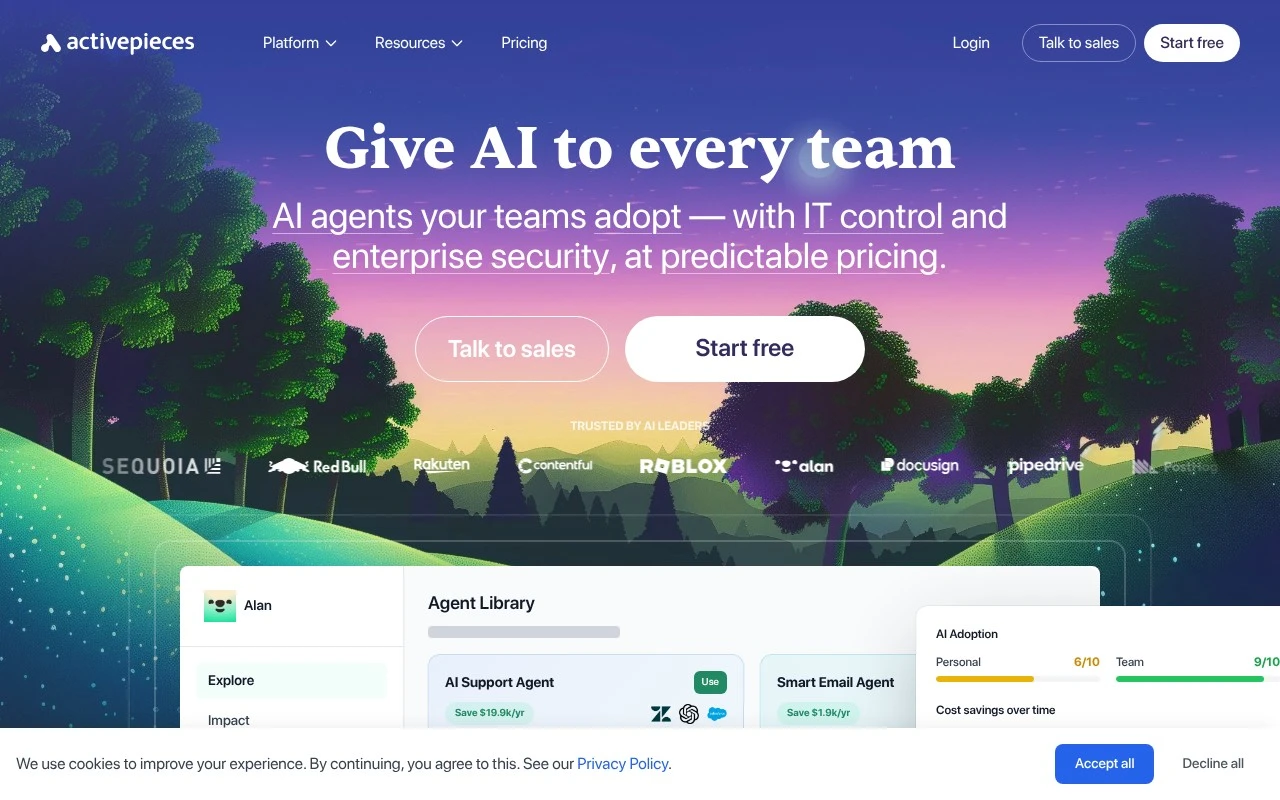
Activepieces is a workflow automation platform for building cross-app business processes, which makes it a strong fit when teams need to connect existing tools without relying heavily on custom development. Its visual builder and 700+ integrations suit operations and IT teams that are standardizing repeatable workflows across departments. Less suited to very small teams that only need a few simple automations because its governance and enterprise controls can add more setup than necessary.

View Activepieces

FYAI Score

8.8 / 10

Based on 142 reviews

Freemium

Enterprise automation and CoE teams scaling RPA and AI workflows

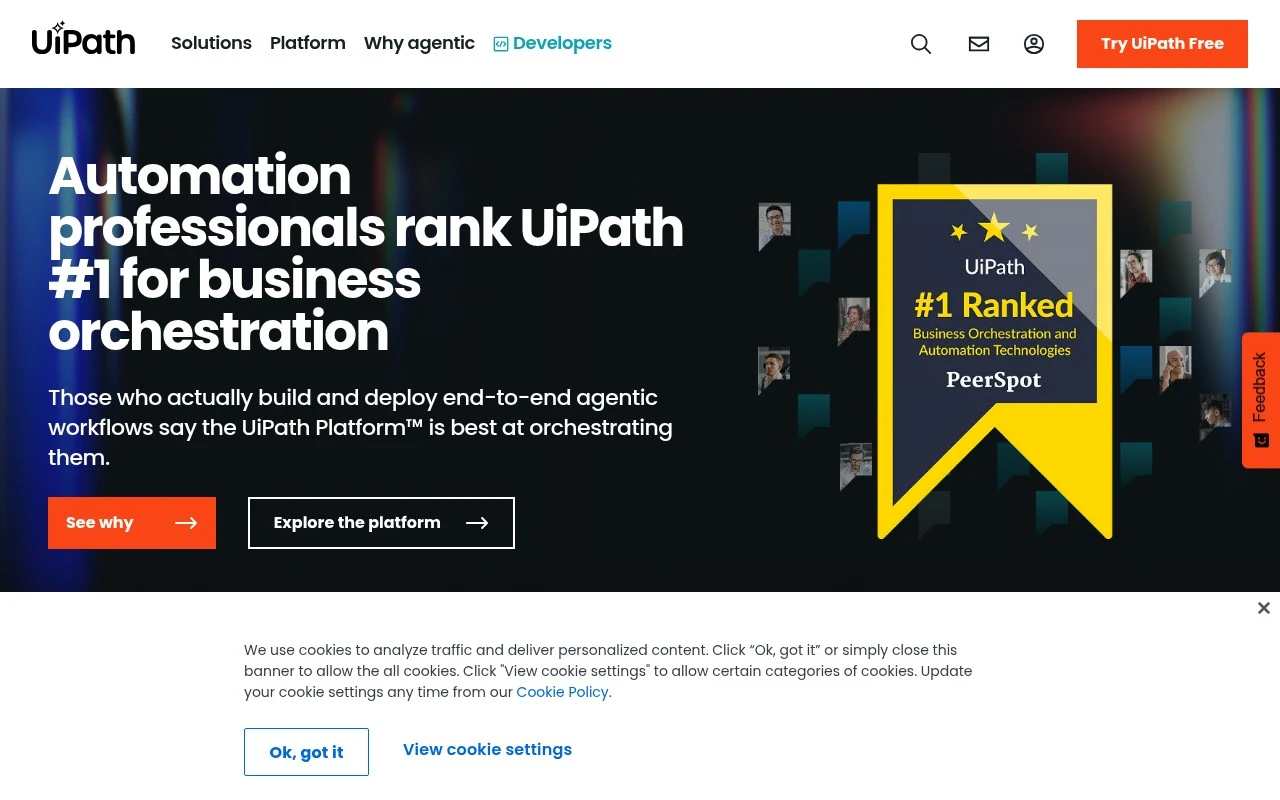
When an invoice needs to move from intake to approval across several business systems, Uipath is built to orchestrate the full workflow rather than automate a single handoff. It is strongest for large organizations and automation CoE teams that need to coordinate software robots with human approvals across complex departmental processes. Less suited to small teams with simple workflow needs because its enterprise automation scope can add more setup, administration, and governance than they need.

View Uipath

FYAI Score

8.9 / 10

Based on 7,771 reviews

Freemium

SaaS product teams adding white-label integrations in-app

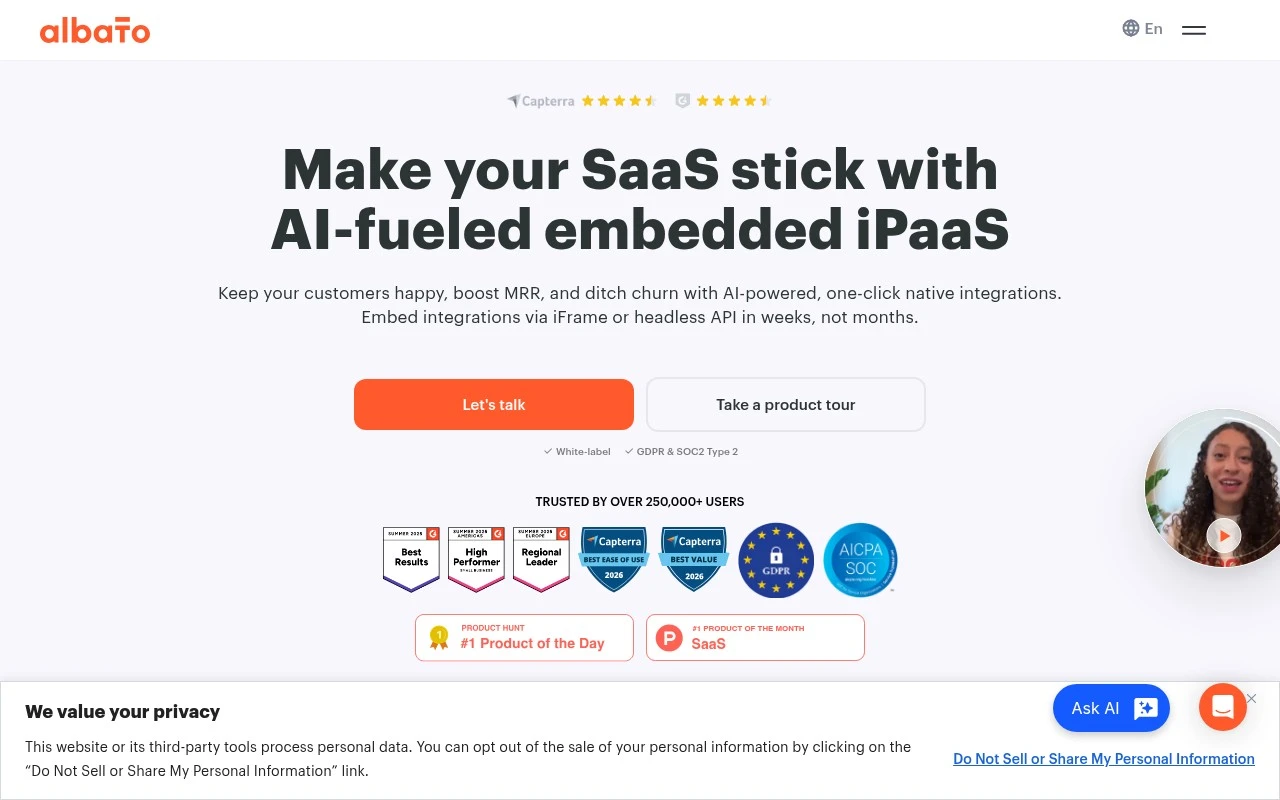
Albato differs by bringing workflow automation inside your own SaaS product rather than acting mainly as a standalone automation workspace, which fits its real shape as a white-label iPaaS for SaaS product teams. It is strong here when a product team wants users to build native-looking business workflows across a wide app ecosystem without the team building every connector in-house. Less suited to teams that only need personal or internal automations because Albato’s main strength is embedded SaaS integrations, not simple standalone workflow use.

View Albato

FYAI Score

8.8 / 10

Based on 509 reviews

Freemium

Small teams and agencies automating workflows across many apps

One-click setup and a large library of ready automations make Integrately a strong fit for workflow automation when a small team needs everyday business apps to work together without custom development. Its support for 1,500-plus apps helps agencies and non-technical operators connect a broad app stack and automate repeatable handoffs across teams. Less suited to highly customized backend workflows because its no-code, prebuilt automation model depends on the triggers and actions each connector supports.

View Integrately

FYAI Score

8.8 / 10

Based on 707 reviews

How to choose

  • App Coverage And Trigger Depth

    Check whether the tool supports the apps, triggers, actions, webhooks and data fields your actual processes depend on, not just whether the app logos appear.

  • Approval And Human Review Controls

    Look for assignable approvals, conditional routing, audit history and fallback paths so automated workflows can still pause for accountable decisions.

  • AI Step Design And Guardrails

    Evaluate how the tool lets you add AI classification, summarisation, data extraction or drafting steps, and whether outputs can be reviewed before they trigger downstream actions.

  • Governance And Workspace Controls

    For larger teams, judge permissions, shared workspaces, environment separation and change controls so automations do not become unmanaged business logic.

  • Error Handling And Monitoring

    Prioritise retries, run logs, alerts and failure recovery because broken automations can silently block sales, support, finance or operations work.

Best for:

This page is for ops managers, RevOps teams, IT automation leads and SaaS product teams that need recurring processes to move across several business apps with approvals, routing or governance. It also suits agencies and small teams that want to replace manual handoffs with reusable automations. Less suited to smart-home automations, simple calendar reminders or one-off personal productivity shortcuts.

FAQ

Frequently asked
questions

Common questions about choosing the right tool,
comparing options, and getting started.

What is the best AI tool for workflow automation?

The best choice depends on your workflow complexity, app stack, approval needs and governance requirements. Use the comparison on this page to match tools to the way your team actually hands off work.

Are there free workflow automation tools?

Yes, many workflow automation tools offer free or freemium access. Free options are useful for simple automations, while larger teams should check limits around runs, users, approvals and connected apps.

What are common workflow automation examples?

Common examples include lead routing, approval requests, customer onboarding, ticket escalation, invoice handoffs and CRM updates. These workflows usually connect several apps and trigger the next step automatically.

What is the difference between workflow orchestration tools and workflow management tools?

Workflow orchestration tools automate steps across systems, while workflow management tools often focus on tracking tasks and ownership. Many modern platforms combine both, but orchestration is the key need when apps must act automatically.

Every tool on FindyourAI is scored on the same independent criteria, not on who pays. We may earn a commission if you sign up through our links, at no cost to you.