Curated & independently scored by FindyourAI

Best AI Revenue Forecasting Tools

Reviewed by Sidney de BoerUpdated September 2026
Compare revenue forecasting tools for sales teams, with curated picks, fit notes, and buying criteria to choose software that improves pipeline accuracy.
201 tools reviewed · 36 use cases · 5 top picks · Updated weekly

Works well forRevenue LeadersRevOps TeamsSales Ops ManagersB2B Sales Teams

Overview

AI revenue forecasting tools help sales and revenue teams predict future revenue from pipeline data, historical performance, deal movement, and activity signals. They are used when spreadsheet forecasts become too manual or too disconnected from day-to-day selling. FindyourAI scores every tool against the same criteria and only lists the ones that fit this job.

Freemium

Sales teams managing pipelines and forecasting revenue in HubSpot

HubSpot Sales is strong for revenue forecasting because reps and managers work from shared customer and pipeline data inside the same CRM-connected workspace. It fits sales and revenue teams already using HubSpot that want forecasts tied to live deal activity rather than maintained in a separate tool. Less suited to teams that want a lightweight sales layer on top of a non-HubSpot CRM because its deepest workflow and data benefits come from operating inside HubSpot.

View HubSpot Sales

FYAI Score

8.9 / 10

Based on 35,726 reviews

Free trial

Sales teams that need a simple, visual way to manage deals

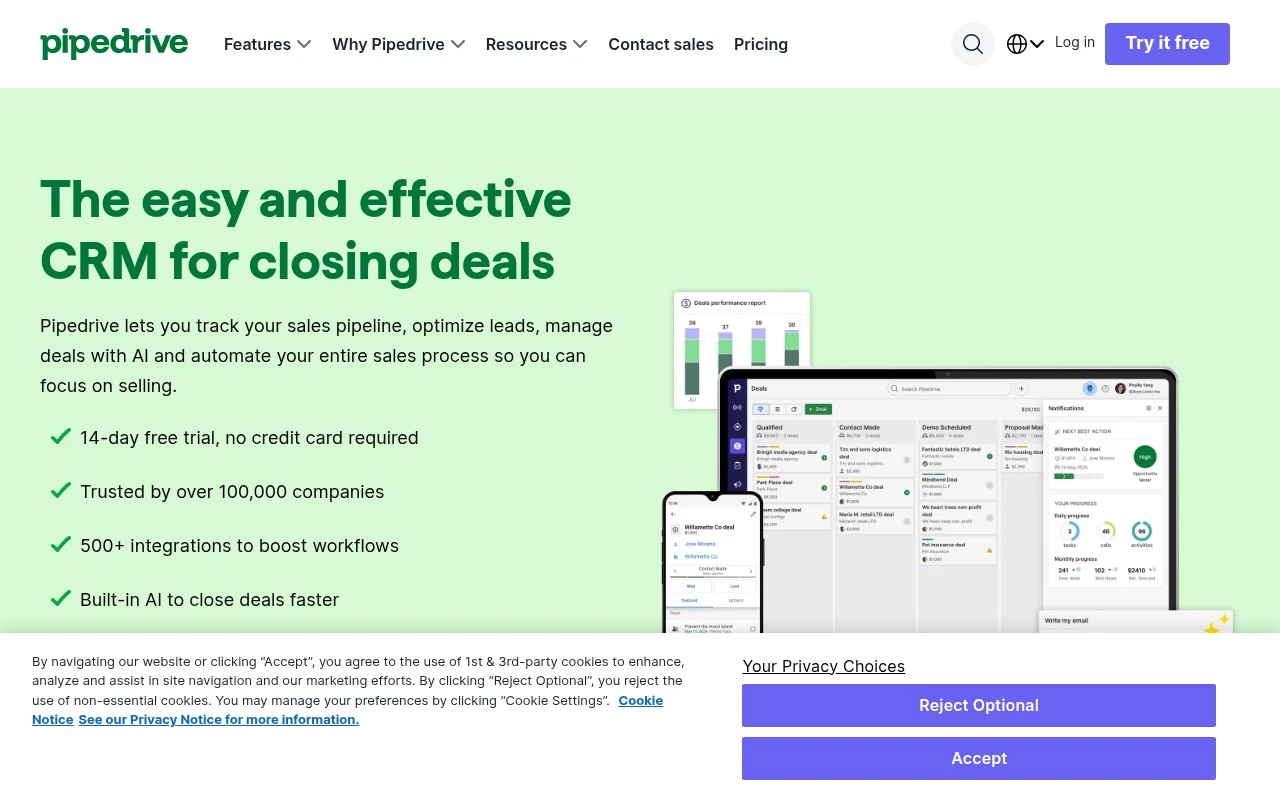
Sales managers in small and mid-sized teams can use Pipedrive to make revenue forecasting more grounded in the live sales pipeline, because its visual sales pipeline CRM keeps deal status and ownership easy to read at a glance. Its reporting and AI-assisted prompts help managers focus forecast conversations on likely opportunities rather than manually piecing together deal updates. Less suited to teams with inconsistent CRM hygiene because its revenue guidance depends on accurate, regularly updated pipeline data.

View Pipedrive

FYAI Score

8.5 / 10

Based on 3,381 reviews

Paid

Revenue teams improving sales execution, coaching, and forecasting

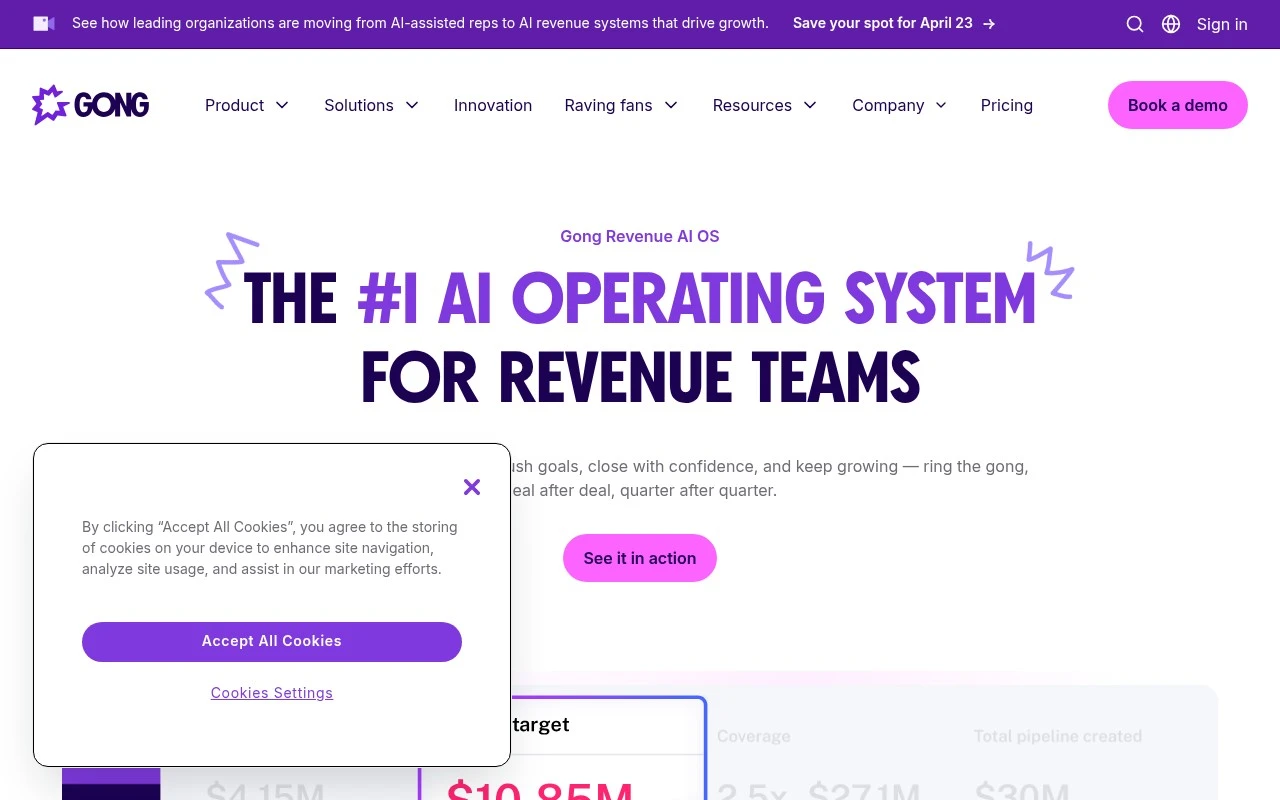
Gong is a revenue execution platform for sales organisations, and it belongs on a revenue forecasting page because it turns customer interactions and CRM activity into a shared view of pipeline health and deal risk. It fits mid-market and enterprise revenue teams, especially sales leaders and revenue operations teams that need forecasts grounded in how deals are actually progressing. Less suited to very small sales teams because its benefits depend on broad adoption across the revenue organisation.

View Gong

FYAI Score

8.4 / 10

Based on 6,678 reviews

Paid

B2B sales orgs running outbound, pipeline, and forecasting at scale

When a sales leader has to commit a quarterly number while rep updates are uneven, Outreach.io can help turn pipeline review into a more consistent forecasting motion. It is primarily a sales execution platform for scaled B2B revenue teams, not a standalone forecasting app, and its forecasting value comes from deal inspection and forecast support that help leaders and revenue operations teams judge pipeline more consistently. It fits sales leaders and revenue operations teams that need shared standards across a larger revenue organization. Less suited to teams without disciplined revenue data practices because its forecast guidance and deal-risk signals depend on that foundation.

View Outreach.io

FYAI Score

8.2 / 10

Based on 3,572 reviews

Paid

Sales orgs standardizing execution and improving forecast accuracy

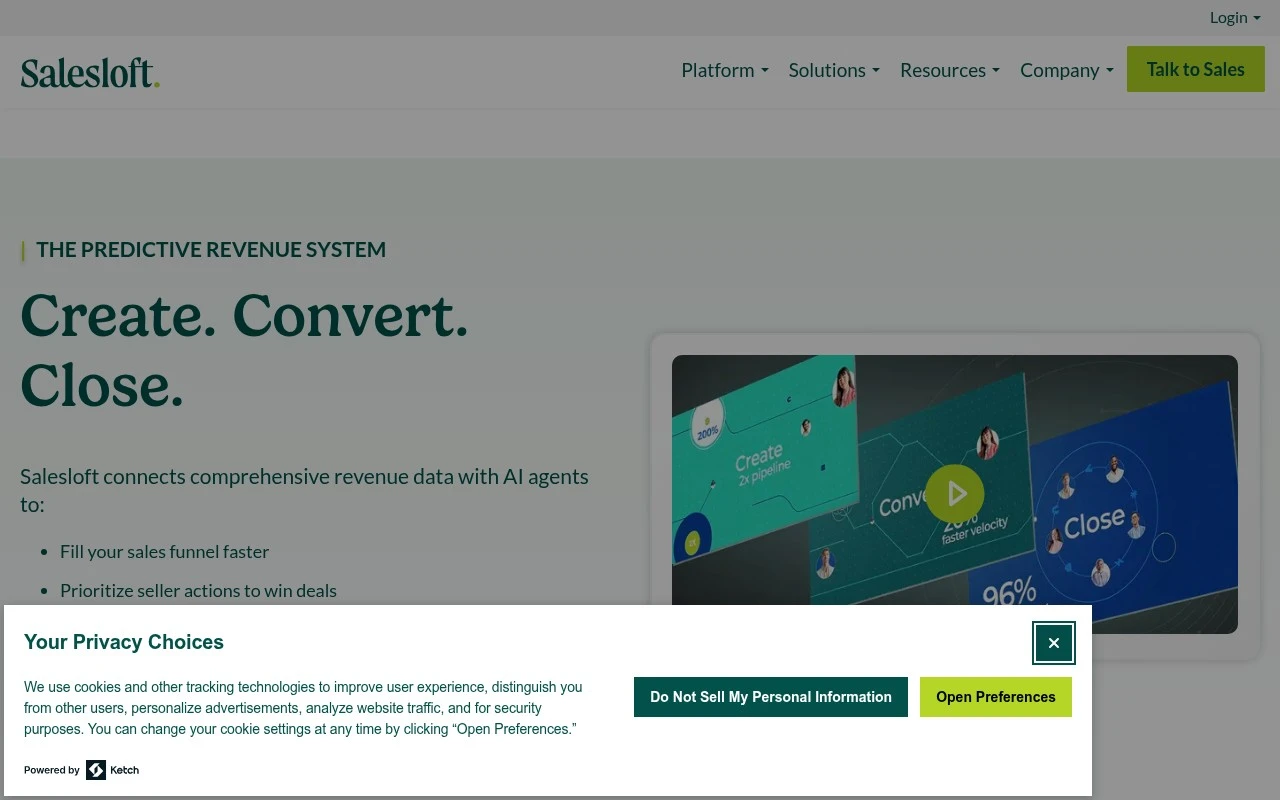
Salesloft stands out here because its forecasting is tied to day-to-day sales execution, rather than treated as a separate planning exercise. As a revenue orchestration platform for sales organizations, it fits teams with active pipeline and buyer data that want deal signals and seller follow-up to support more consistent revenue forecasts. Less suited to very small teams or lightweight prospecting needs because the platform breadth and administration can be heavier than a simple sales engagement tool.

View Salesloft

FYAI Score

7.8 / 10

Based on 4,287 reviews

How to choose

  • Forecast input quality

    Look at how the tool uses CRM fields, activity history, deal stage changes, and historical revenue because weak inputs make forecasts look precise but unreliable.

  • Forecast model fit

    Check whether it supports pipeline-weighted, historical trend, commit-based, and AI signal-driven views so leaders can compare methods rather than trust one number.

  • Time horizon and rollups

    Make sure forecasts can roll up by rep, team, product, region, and month or quarter since revenue planning needs both executive and manager-level views.

  • Variance and explainability

    Choose tools that show why a forecast changed, which deals moved the number, and where risk sits so managers can act before the period closes.

  • Sales workflow alignment

    Prioritize tools that fit where sellers update deals and leaders run forecast calls because duplicate entry and stale pipeline data quickly undermine accuracy.

Best for:

This page is for revenue leaders, RevOps teams, sales operations managers, and B2B sales teams that need a clearer view of pipeline health and likely bookings. It is especially relevant when managers run regular forecast calls and need deal-level evidence behind the number. Less suited to solo users who only want a basic spreadsheet formula, or finance teams looking primarily for accounting, deferred revenue, or profit modelling software.

FAQ

Frequently asked
questions

Common questions about choosing the right tool,
comparing options, and getting started.

What is the best AI tool for revenue forecasting?

The right choice depends on your CRM setup, sales process, data quality, and whether you need deal inspection, coaching, or executive forecast rollups. Use the comparison on this page to match each tool to the way your team actually forecasts.

Can AI revenue forecasting tools replace an Excel revenue forecast template?

They can reduce manual spreadsheet work when your CRM data is reliable and sellers keep deals updated. Excel can still be useful for simple models, one-off examples, and finance-side scenario planning.

What revenue forecasting methods do these tools use?

Most tools combine pipeline stage data, historical conversion patterns, rep judgment, activity signals, and AI-based risk scoring. The strongest fit is usually the tool that lets your team compare several views instead of relying on one forecast number.

Are there free revenue forecasting tools?

Yes, free or trial access exists in this category, including HubSpot Sales as freemium and Pipedrive with a free trial. More advanced forecasting, coaching, and revenue intelligence features are often tied to paid sales platforms.

Every tool on FindyourAI is scored on the same independent criteria, not on who pays. We may earn a commission if you sign up through our links, at no cost to you.