Curated & independently scored by FindyourAI

Best AI Competitor Analysis Tools

Reviewed by Sidney de BoerUpdated October 2026
Compare AI competitor analysis tools for SEO, market research, and content planning, with a curated shortlist and criteria to choose the right fit faster.
201 tools reviewed · 36 use cases · 6 top picks · Updated weekly

Works well forSEO ManagersContent TeamsGrowth AnalystsMarket Intel TeamsAgencies

Overview

AI competitor analysis tools help SEO, content, growth, and market intelligence teams understand rival traffic, keywords, visibility, messaging, and demand signals. FindyourAI scores every tool against the same criteria, then shortlists only the options that fit the job rather than filling the page with every product in the competitive landscape.

Paid only

SEO and content marketing teams needing data-driven growth insights

Ahrefs is strongest here when competitor analysis means understanding why rival sites win in search, because this SEO intelligence platform is built around deep competitive research from its own search data. It fits SEO and content teams, especially agencies or larger marketing groups that track multiple competitors over time and need repeatable evidence for prioritising search work. Less suited to very small teams or occasional SEO users because its broad feature set is built for recurring professional search work rather than one-off checks.

View Ahrefs

FYAI Score

8.7 / 10

Based on 708 reviews

Free trial

SEO teams and agencies improving rankings and reporting performance

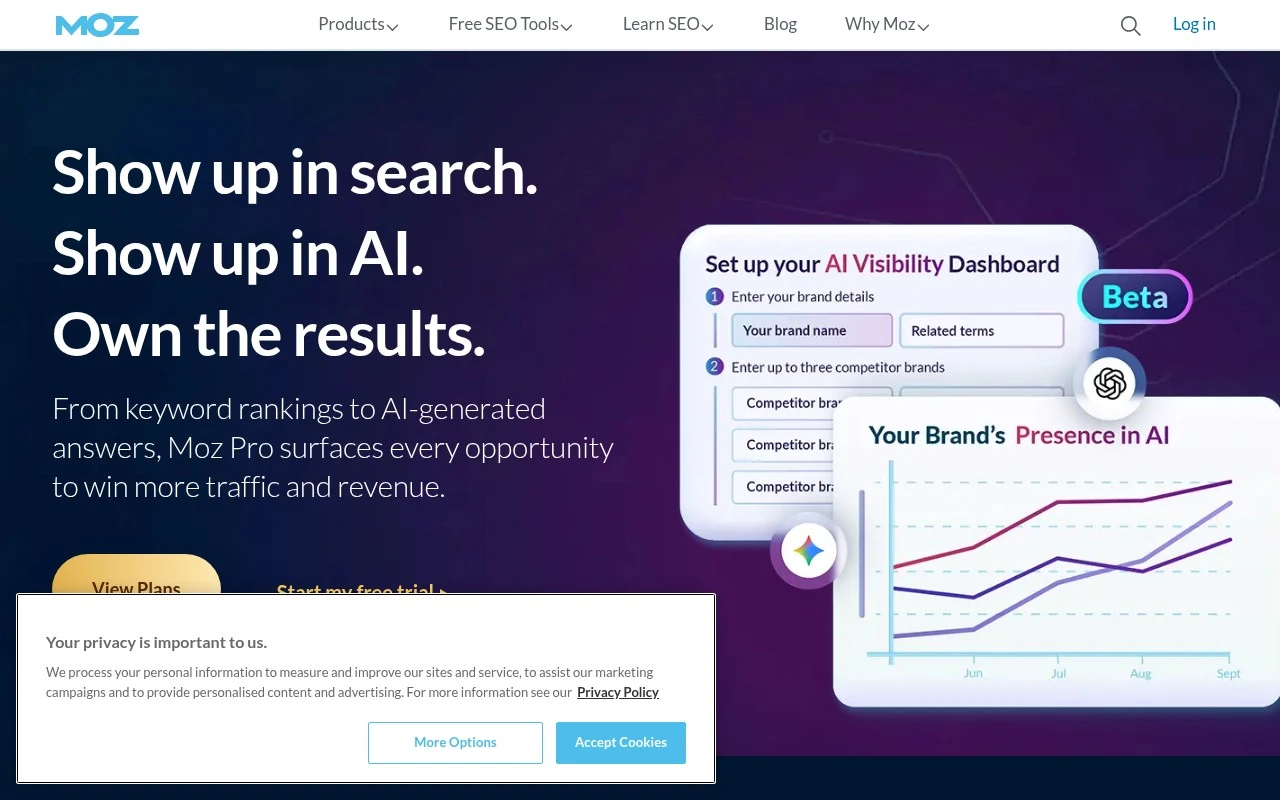
SEO teams and agencies that need competitor analysis inside their search workflow will get the clearest fit from Moz, an established SEO toolkit centred on rankings and SEO reporting. It is strong for comparing rival organic visibility because it combines competitive SEO research with brand presence benchmarks across AI search and traditional SERP data. Less suited to buyers that want one unified product for every SEO need because Moz’s broader SEO offering is split across separate products rather than one all-in-one workspace.

View Moz

FYAI Score

8.7 / 10

Based on 1,102 reviews

Freemium

Solo marketers and small teams doing SEO without enterprise complexity

Mangools is a beginner-friendly SEO research and tracking suite for solo marketers and small teams, and it belongs here because its competitor profiling helps make rival search visibility easier to understand without enterprise complexity. It fits freelance SEOs and small content teams that want to benchmark competitors in search and turn that into practical next steps. Less suited to enterprise SEO teams because it is built as an accessible research and tracking suite rather than a full enterprise platform with advanced governance and large-scale workflow controls.

View Mangools

FYAI Score

8.6 / 10

Based on 163 reviews

Freemium

Growth and market intel teams tracking competitors and demand

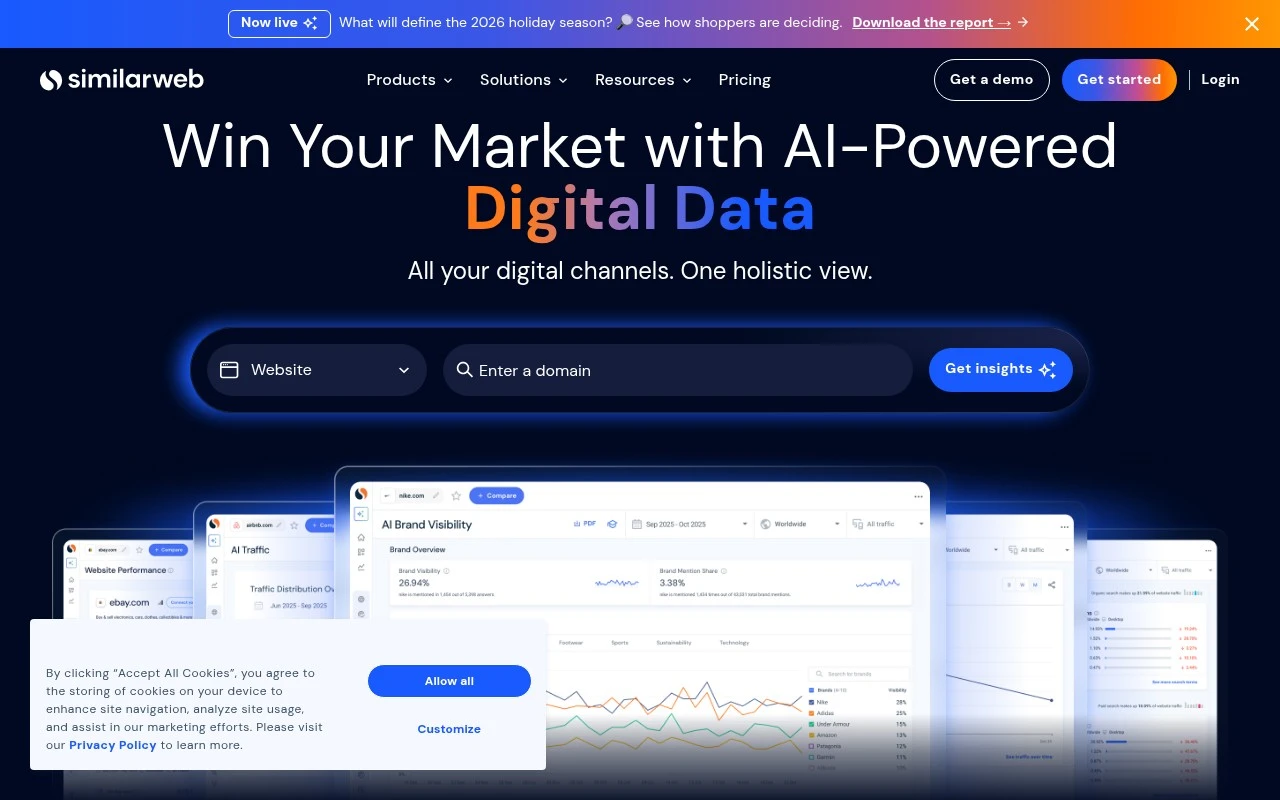
When you need to explain why a rival is gaining visits before the next quarterly review, Similarweb gives teams a wider benchmark than internal analytics alone. It is a digital market intelligence platform, so its competitor analysis is strongest for growth, strategy, agency, and enterprise teams that need to compare rival traffic sources and audience behaviour for planning or client reporting. Less suited to teams that only need basic rank tracking or on-page SEO tasks because the product is broader and heavier than a narrow SEO workflow tool.

View Similarweb

FYAI Score

8.6 / 10

Based on 1,174 reviews

Freemium

Enterprise SEO, PR, and brand teams improving AI search visibility

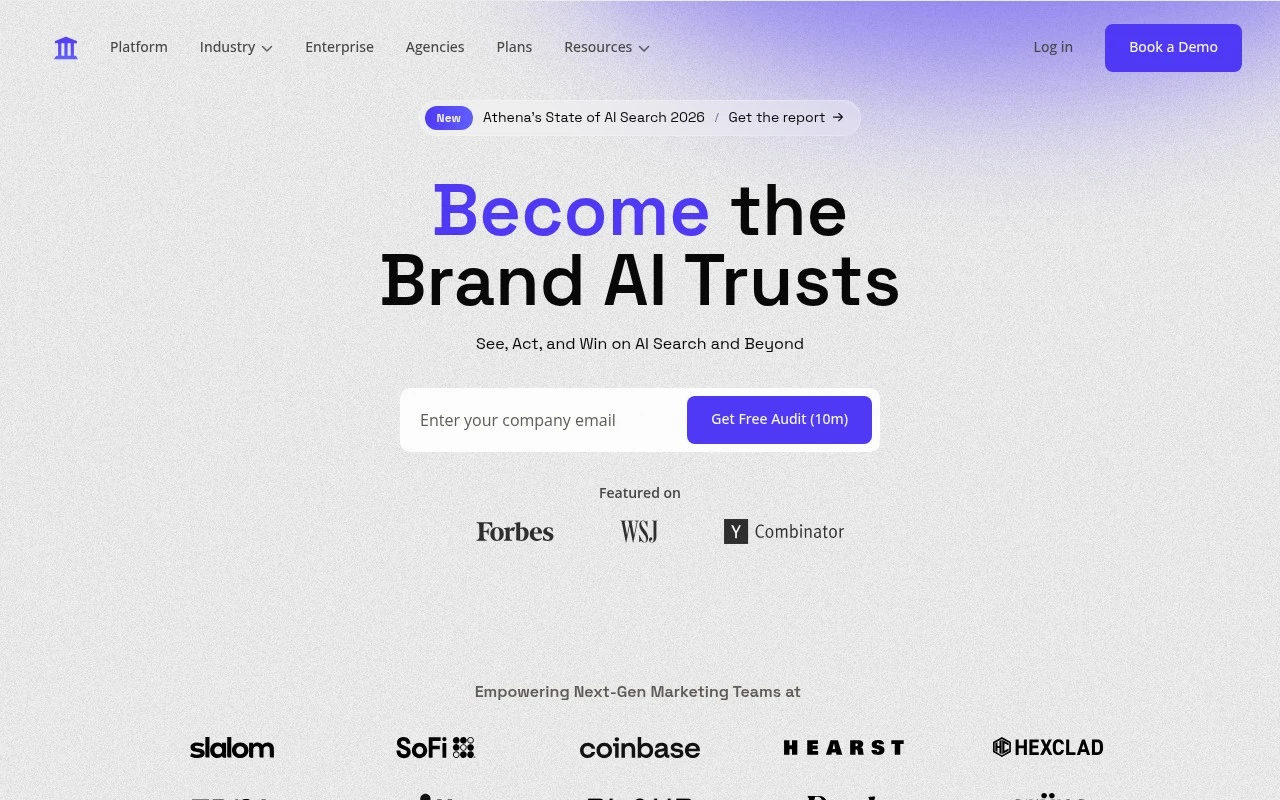
AthenaHQ differs by treating competitor analysis as AI search visibility, not conventional market research. As an enterprise AI search visibility platform, it helps SEO, PR, and brand teams understand how their brand is surfaced against competitors across major AI answer engines. It fits teams that need competitor insight they can turn into content or PR action, then explain clearly in leadership reporting. Less suited to teams that only need traditional SEO rank tracking because its core workflow is built around AI search visibility rather than classic rankings.

View AthenaHQ

FYAI Score

8.5 / 10

Based on 47 reviews

Free trial

Marketing teams managing SEO, content, and competitive visibility

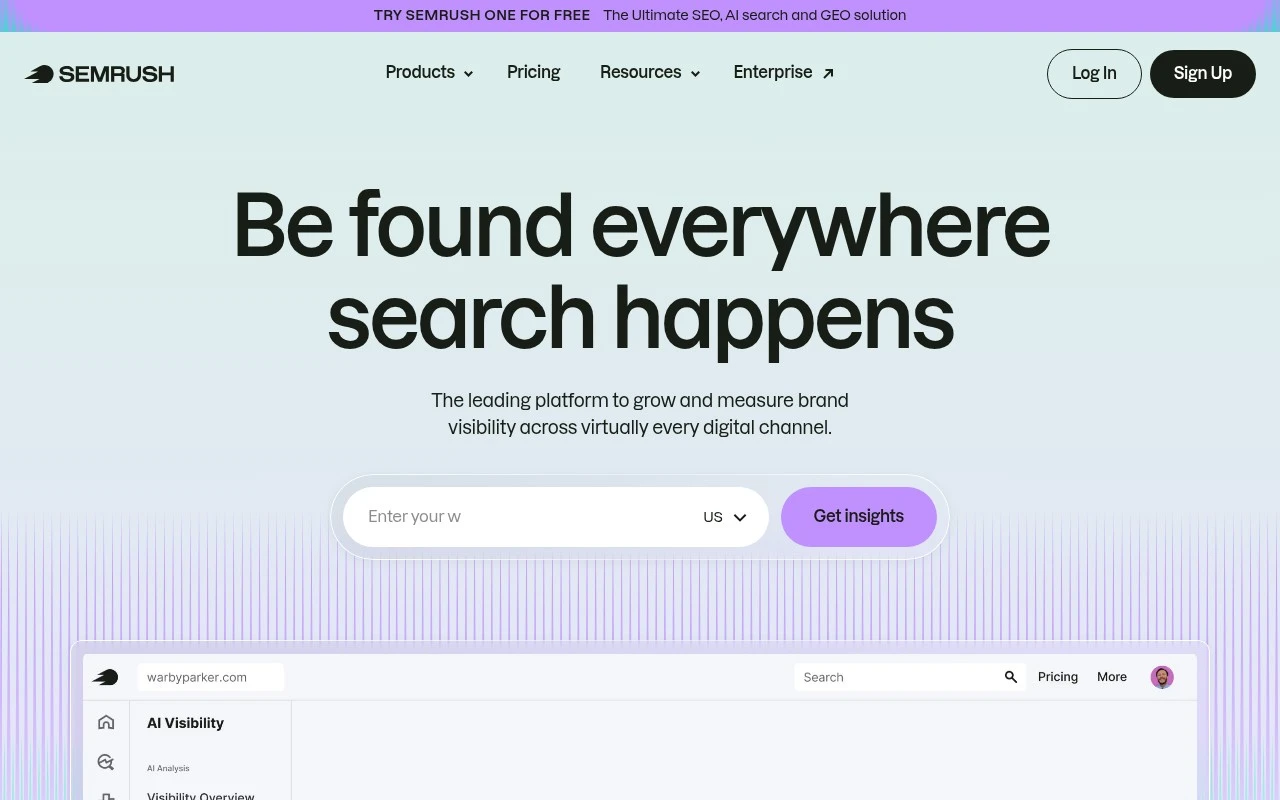
Side-by-side rival comparisons across keywords and backlinks are the distinguishing reason Semrush belongs in competitor analysis. It is really a multi-channel SEO and competitive visibility platform, so it fits marketing teams and agencies that need repeatable competitor research across several rivals, with outputs they can use for ongoing planning and communication. Less suited to very small teams that only need basic rank tracking because the platform’s breadth adds workflow complexity and setup overhead.

View Semrush

FYAI Score

8.5 / 10

Based on 4,016 reviews

How to choose

  • Competitor Data Coverage

    Look for coverage across keywords, backlinks, traffic estimates, content performance, brand visibility, and market demand so the tool reflects how rivals actually win attention.

  • Comparison Framework Depth

    Choose a tool that supports direct rivals, search competitors, category leaders, and emerging threats, because the right competitive set changes by channel and objective.

  • Reporting And Export Formats

    Check whether the tool produces usable tables, charts, dashboards, and slide-ready exports so insights can move into planning decks, client updates, or business cases.

  • Trend History And Refresh Cadence

    Prioritize tools that show movement over time, not just a snapshot, because competitor strategy is easier to act on when you can see gains, losses, and seasonality.

  • AI Search Visibility Signals

    For teams tracking modern discovery channels, assess whether the tool helps monitor how brands, topics, and competitors appear in AI-generated search and answer experiences.

Best for:

This page is for SEO managers, content marketing teams, growth analysts, market intelligence teams, and agencies that need repeatable competitor research for keyword gaps, content opportunities, share-of-voice reporting, or board-ready strategy inputs. Less suited to founders who only need a one-off manual scan, students looking for a simple table for coursework, or sales teams that mainly need account-level company data.

FAQ

Frequently asked
questions

Common questions about choosing the right tool,
comparing options, and getting started.

What is the best AI tool for competitor analysis?

The best choice depends on whether you need SEO intelligence, market demand data, content gap analysis, or AI search visibility. Compare tools by data coverage, reporting depth, update frequency, and how well they fit your team's workflow.

Are there free competitor analysis tools?

Yes, some competitor analysis tools offer free access, freemium limits, or free trials. Free options are useful for light research, while deeper SEO and market intelligence work often needs a subscription.

Can AI tools create a competitor analysis chart or table?

Yes, many tools can turn competitor metrics into charts, tables, dashboards, or exportable reports. Check whether the tool supports the formats your team needs for planning documents, client reporting, or strategy slides.

What should a competitor analysis framework include?

A useful framework defines your competitors, compares visibility and demand signals, identifies gaps, and turns those findings into actions. For SEO and growth teams, that often means reviewing keywords, backlinks, traffic estimates, content themes, and brand visibility.

Every tool on FindyourAI is scored on the same independent criteria, not on who pays. We may earn a commission if you sign up through our links, at no cost to you.