Curated & independently scored by FindyourAI

Best AI Code Review Tools

Reviewed by Leon ToesetUpdated October 2026
Code review tools compared for PR quality, security checks, repo context, and team fit, so you can build a shortlist of AI reviewers faster and safer.
201 tools reviewed · 36 use cases · 6 top picks · Updated weekly

Works well forSoftware EngineersPlatform TeamsTech LeadsEngineering ManagersRelease Teams

Overview

AI code review tools assess code changes, pull requests, and repositories to flag bugs, policy violations, security risks, and missed requirements before merge. Developers, tech leads, and engineering managers use them to add a second reviewer, reduce review queues, and keep standards consistent. FindyourAI scores every tool against the same criteria and only lists the options that fit this job, rather than building an exhaustive catalogue.

Freemium

Developers and engineering teams building and reviewing code in GitHub

GitHub Copilot is strongest for code review when the team already lives in GitHub, because it works directly where repositories and pull requests are managed. It fits GitHub-centric engineering teams, especially larger groups that want to standardise AI-assisted review across an organisation. Less suited to teams outside the GitHub ecosystem because its strongest workflow advantages depend on GitHub-connected repositories and environments.

View GitHub Copilot

FYAI Score

9.1 / 10

Based on 46 reviews

Freemium

Developers needing AI help to review, refactor, generate, and debug code

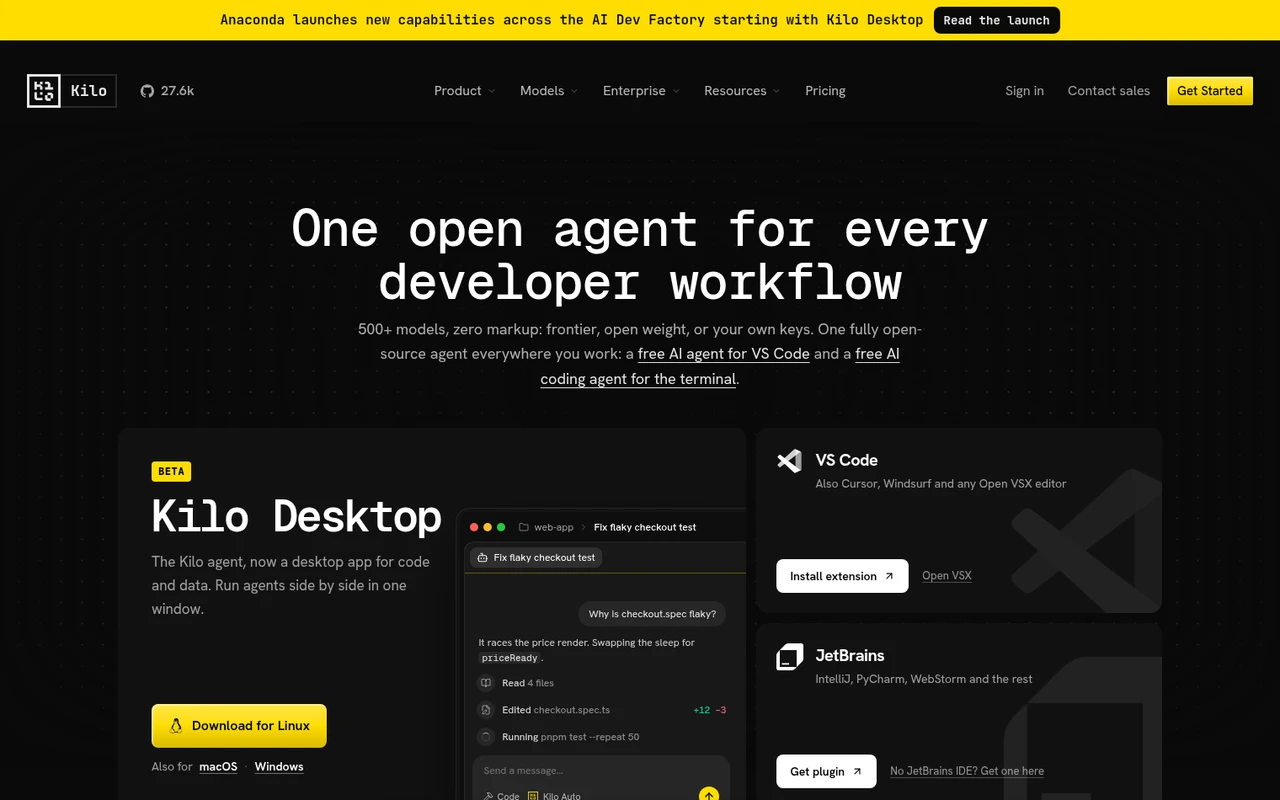
Engineering teams that want an inspectable AI reviewer for pull requests are a strong fit for Kilo Code. Because it is open source and exposes its prompts and agent behaviour, developers can scrutinise how review comments are produced and adapt the agent to their repo standards. It also fits groups that want code review connected to the same agent they use during implementation, rather than treating PR assessment as a separate workflow. Less suited to non-technical users because Kilo Code is built around developer environments such as repositories and code review workflows.

View Kilo Code

FYAI Score

9.1 / 10

Based on 49 reviews

Freemium

Engineering teams handling high-volume pull requests

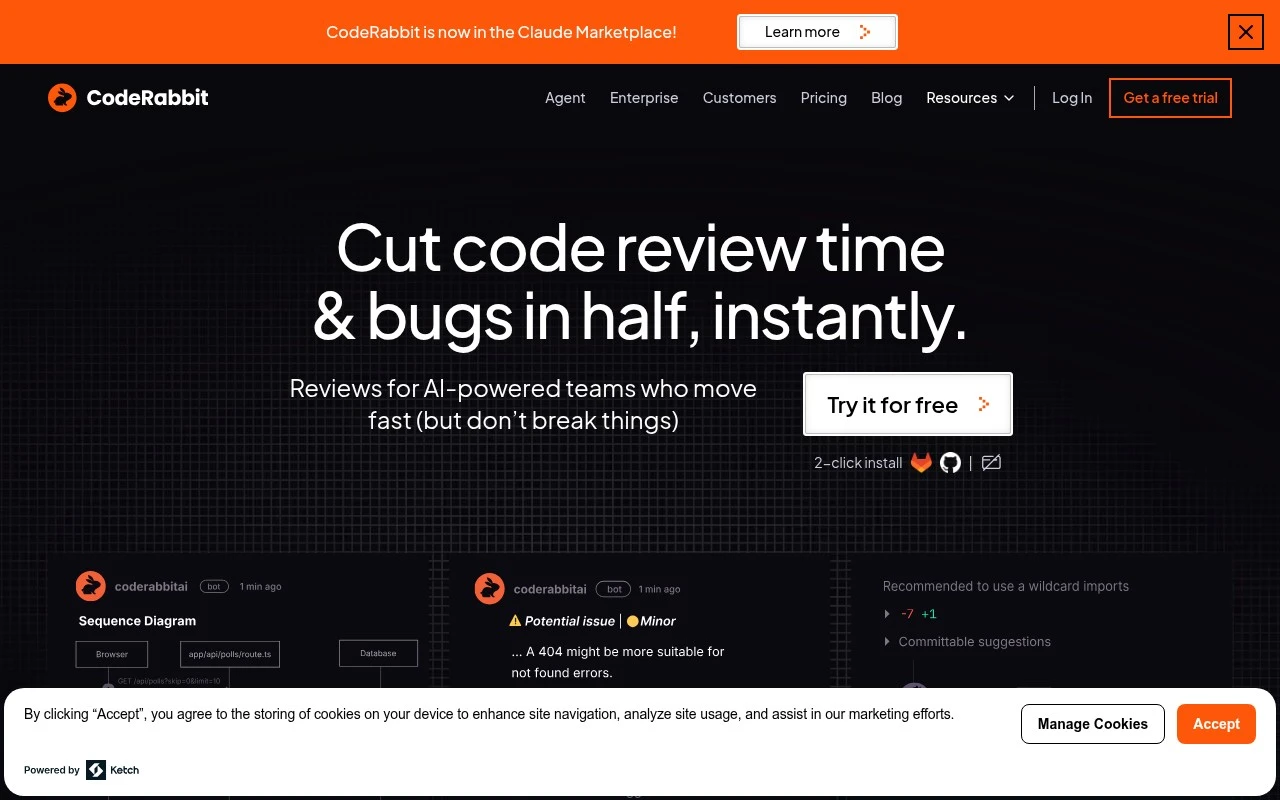
CodeRabbit is an AI pull request reviewer for engineering teams handling high-volume code changes, which makes it useful here as a review layer rather than a general code-fixing tool. It uses repository context and team guidelines to make PR feedback more relevant, while summaries and suggested fixes help developers spot likely defects and next actions before human review. It fits teams with an active PR workflow that want automated first-pass review without replacing final reviewer judgment. Less suited to teams without a pull request workflow because its core value depends on reviewing code changes inside repository-based development processes.

View CodeRabbit

FYAI Score

8.6 / 10

Based on 26 reviews

Freemium

Engineering teams enforcing code quality and security in CI/CD

When every pull request needs the same quality bar across dozens of repositories, SonarQube helps turn code review into a consistent gate rather than a reviewer-by-reviewer judgement call. It is a code quality and security platform for CI/CD governance, so its strength here is standardising rule profiles and quality gates across teams that need repeatable review checks at scale. Less suited to small teams wanting lightweight PR comments only, because effective use usually needs pipeline setup and ongoing ownership of findings.

View SonarQube

FYAI Score

8.5 / 10

Based on 152 reviews

Freemium

AWS developers building, modernizing, and operating cloud apps

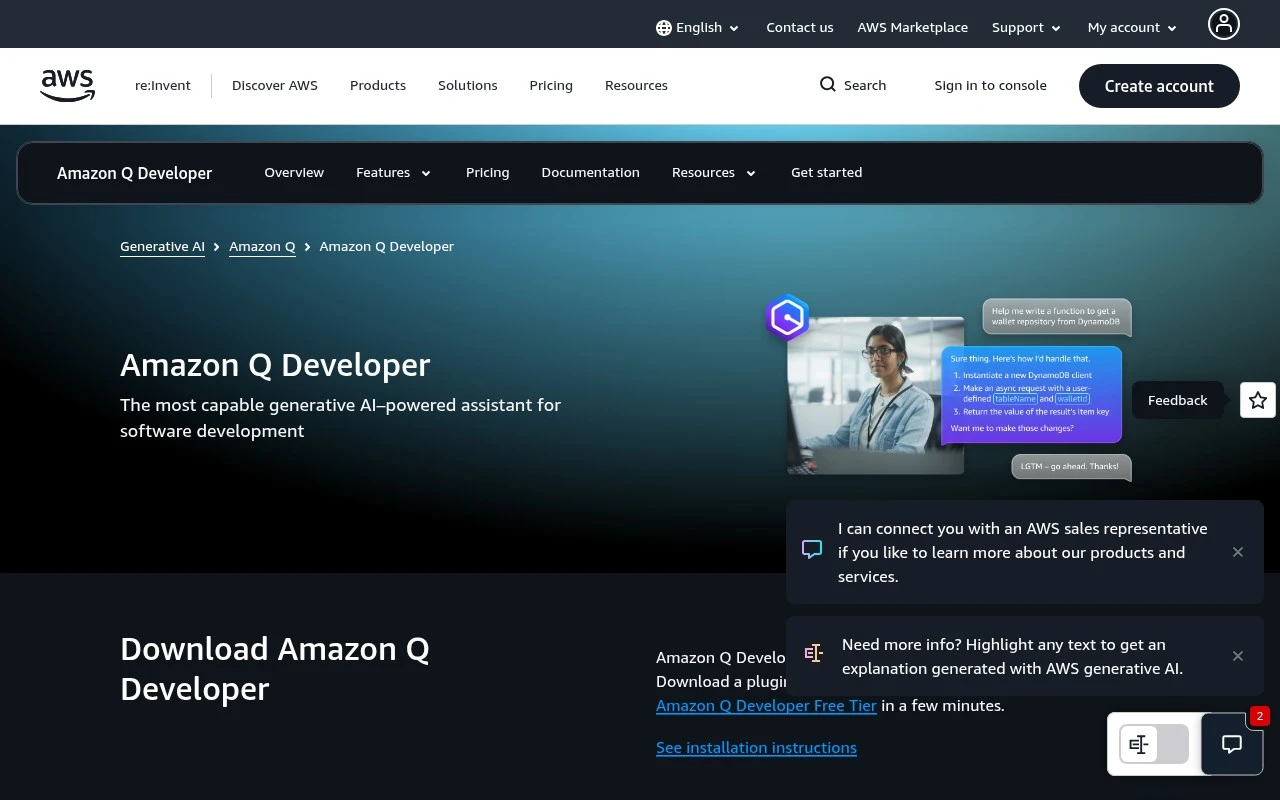
Its difference is that code review is part of an AWS-focused developer assistant, so its review value is strongest when pull requests touch cloud application decisions rather than only syntax or style. For AWS-heavy engineering teams, that context can help surface security issues, rule violations, and requirement gaps with guidance that makes sense in the surrounding AWS environment. It also fits teams that want review feedback to sit close to day-to-day developer workflows instead of being isolated from the rest of engineering work. Less suited to cloud-neutral teams because its deepest operational context and guidance are tied to AWS environments.

View Amazon Q Developer

FYAI Score

8.4 / 10

Based on 45 reviews

Freemium

Engineering orgs coordinating AI agents across the SDLC

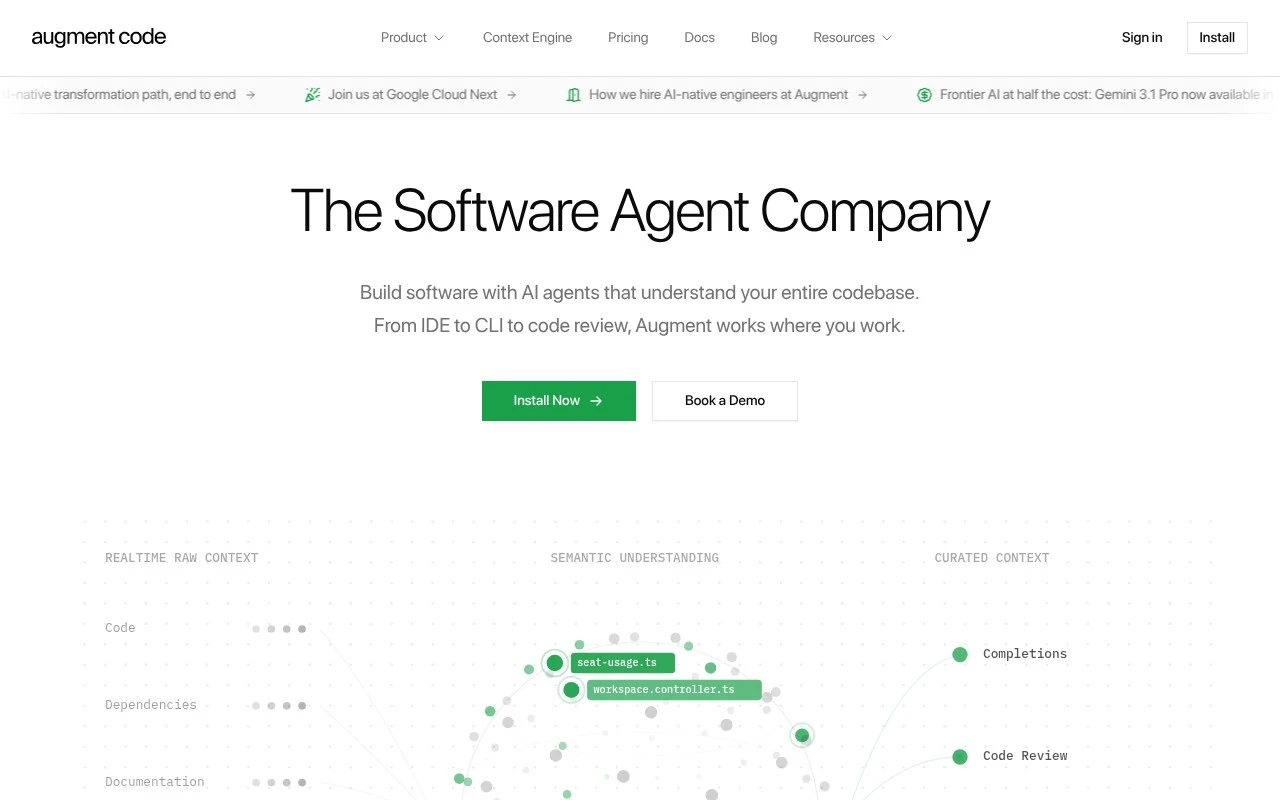
Shared codebase context is the reason Augment Code stands out for code review in larger repositories, since its reusable experts can assess pull requests with more of the surrounding system in view. It is not a dedicated review-only tool, but an AI-agent coordination platform for engineering organizations, so it fits teams that want PR assessment to sit inside a broader agent workflow. Less suited to individual developers or very small teams because its organizational coordination and governance model is heavier than a standalone coding assistant.

View Augment Code

FYAI Score

8.3 / 10

FYAI rating based on features, pricing and integrations

How to choose

  • Pull Request Context

    Look for tools that understand changed files, linked context, and surrounding code so review comments reflect the actual intent of the pull request.

  • Rule And Policy Coverage

    Check whether the tool can flag security issues, style violations, test gaps, and team-specific standards instead of only commenting on syntax or formatting.

  • Signal To Noise Ratio

    Prioritize reviewers that produce specific, low-duplicate findings because noisy comments can slow engineers down and reduce trust in the review process.

  • Repository And CI Fit

    Evaluate how the tool fits your repositories, branching model, required checks, and CI/CD gates because review automation is only useful if it appears where merges happen.

  • Actionable Findings

    Strong code review output should explain the risk, point to the affected code, and suggest a clear next step without automatically changing working code.

Best for:

This category serves software engineers, platform teams, tech leads, and engineering managers who need faster pull request review without lowering their quality bar. It is especially useful for teams with frequent releases, many contributors, or compliance rules that need to be checked consistently. Less suited to non-technical users looking for bug fixing, code generation, or broad project management rather than review and assessment.

FAQ

Frequently asked
questions

Common questions about choosing the right tool,
comparing options, and getting started.

What is the best AI tool for code review?

Choose based on repository context, pull request workflow, language coverage, security rules, and how actionable the comments are. The comparison on this page helps match those needs to tools such as GitHub Copilot, CodeRabbit, SonarQube, Amazon Q Developer, Kilo Code, and Augment Code.

Are there free code review tools?

Yes, several AI code review tools offer free or freemium access. Use the free option to check review quality on real pull requests before committing to wider team rollout.

What should a code review checklist include?

A practical checklist should cover correctness, security, readability, tests, requirements fit, maintainability, and style rules. AI review tools are most useful when they can map comments back to those standards instead of only giving generic suggestions.

Can AI code review tools review GitHub pull requests?

Yes, many AI code review tools are designed for pull request workflows, including GitHub-based review. Tools such as GitHub Copilot and CodeRabbit can support teams that review code inside GitHub.

Every tool on FindyourAI is scored on the same independent criteria, not on who pays. We may earn a commission if you sign up through our links, at no cost to you.