Curated & independently scored by FindyourAI

Best AI Data Transformation Tools

Reviewed by Sidney de BoerUpdated September 2026
Compare data transformation tools for catalog, workflow, marketing and CRM data, with curated picks scored for fit, automation depth and data quality.
201 tools reviewed · 36 use cases · 4 top picks · Updated weekly

Works well forE-commerce OpsIntegration TeamsMarketing AnalyticsSales Ops

Overview

Data transformation tools convert messy, mismatched records into usable structures for automation, reporting, catalog management, and analytics. They are used by operations, integration, marketing, and sales teams when source data needs to be cleaned, mapped, enriched, or routed into another system. FindyourAI scores every tool against the same criteria, including use-case fit, automation depth, data handling, and practical adoption signals, and only lists the tools that fit the job.

Freemium

E-commerce product ops teams syncing supplier feeds and catalogs

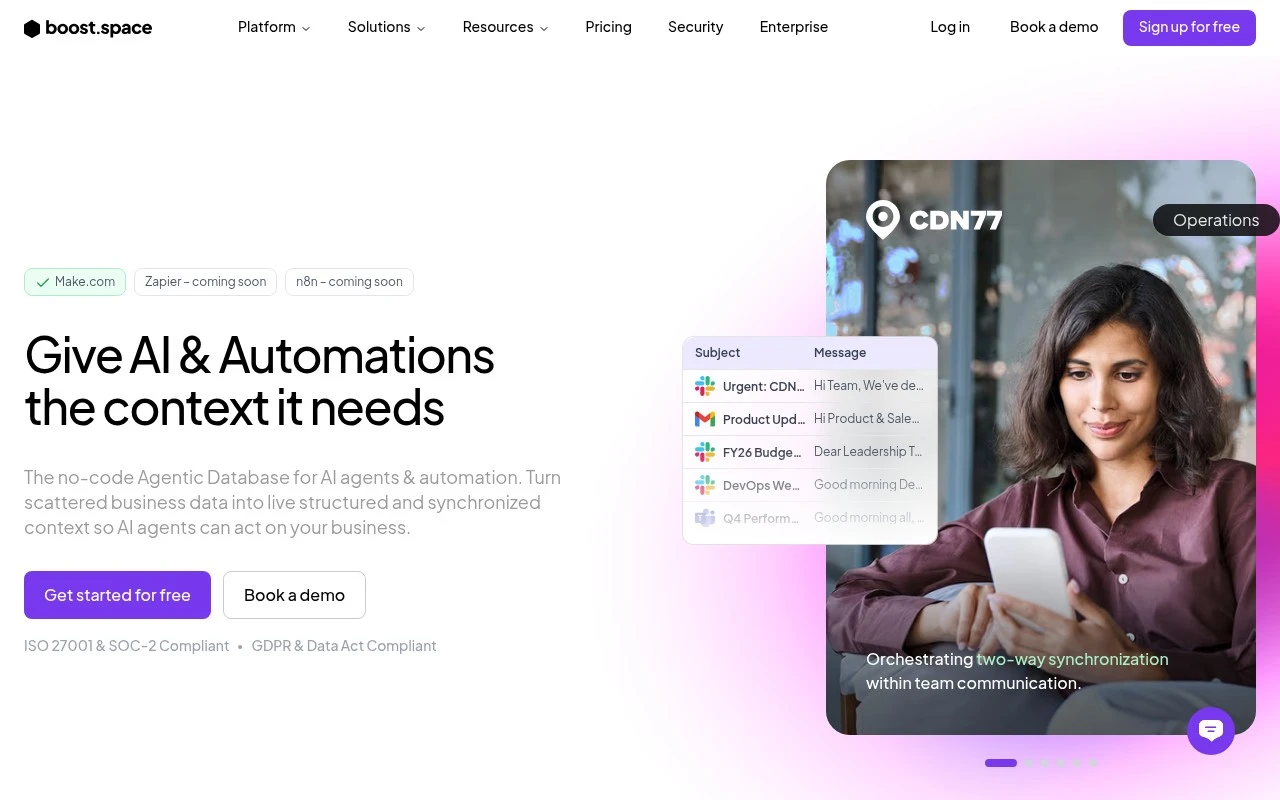
Boost.space is strong for data transformation because, as an e-commerce operational data layer, it helps product ops teams turn supplier feed and catalog work into structured, synchronized data for downstream automation. It fits teams managing complex marketplace or retail workflows that need a shared data foundation beneath automation builders such as Make or n8n. Less suited to teams that only need simple one-off app connections because a centralized operational data layer adds modeling and setup work.

View Boost.space

FYAI Score

8.5 / 10

Based on 350 reviews
Free trial

Enterprise integration teams automating workflows across many business apps

Enterprise integration teams transforming data between business systems are the best fit, because Tray.io is an enterprise integration platform for governed AI orchestration rather than a standalone data-prep tool. Its 700+ connectors and custom development options help teams move and reshape operational data across complex app estates, while low-code building and code-oriented development let operations users and integration engineers share the work. Less suited to small teams that only need simple point-to-point automations because it is built for enterprise orchestration and governance, with technical ownership needed to configure workflows and permissions safely.

View Tray.io

FYAI Score

8.4 / 10

Based on 158 reviews

Paid only

Marketing analytics teams unifying multi-channel performance data

Supermetrics is a marketing data pipeline for performance reporting, and it belongs on a data transformation page because it turns scattered channel data into cleaner, standardised datasets for recurring reporting and analysis. It fits marketing analytics teams and agencies managing many channels that need stakeholder reports to use consistent metrics instead of manual exports. Less suited to organisations looking for a broad enterprise integration platform because Supermetrics is built around marketing performance data rather than every business function.

View Supermetrics

FYAI Score

8.2 / 10

Based on 823 reviews

Paid

Sales ops and growth teams improving lead and CRM data quality

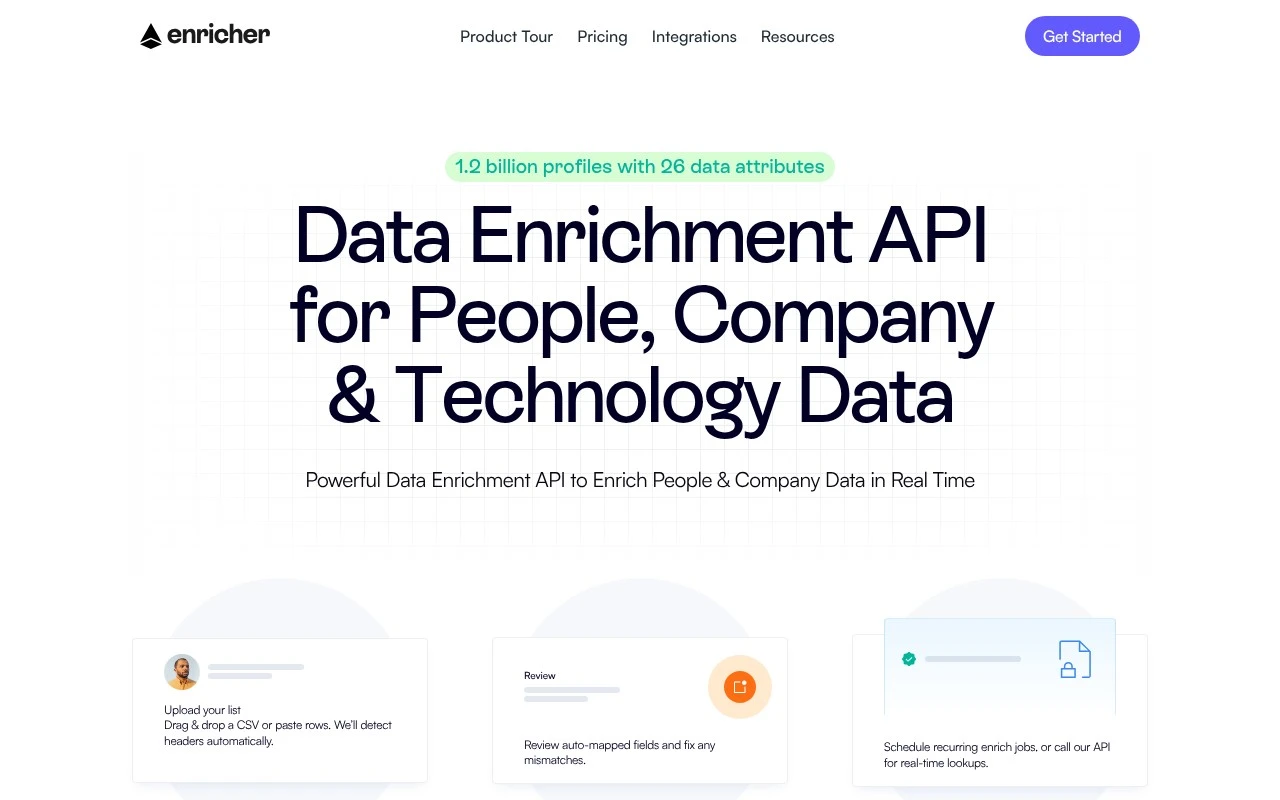
When a sales ops team needs to turn a messy lead spreadsheet into CRM-ready records, Enricher.io, a lead and CRM data enrichment tool, is useful because its upload workflow lets non-technical users map columns and choose the fields to append. It fits teams doing recurring database cleanup or preparing enriched records for routing and automation, especially when they want controlled batch transformation rather than a custom data project. Less suited to teams looking for a standalone CRM or marketing automation platform because it enriches existing records rather than managing end-to-end customer workflows.

View Enricher.io

FYAI Score

7.4 / 10

FYAI rating based on features, pricing and integrations

How to choose

  • Source and destination coverage

    Check whether the tool connects to the feeds, SaaS apps, ad platforms, CRMs, databases, or warehouses where your data actually enters and leaves.

  • Transformation rule depth

    Look for the exact logic you need, such as field mapping, format conversion, deduplication, enrichment, conditional routing, aggregation, and schema changes.

  • Data quality controls

    Prioritize tools that can flag malformed values, missing fields, duplicate records, and schema drift before bad data reaches downstream systems.

  • Automation and scheduling model

    Decide whether transformations must run in real time, on a schedule, in batches, or only after a human approval step.

  • Change tracking and recovery

    Review logs, version history, replay options, and error handling so teams can understand what changed and recover from failed transformations.

Best for:

Best for e-commerce product operations teams normalizing supplier feeds, enterprise integration teams moving records between many apps, marketing analytics teams unifying performance data, and sales ops teams cleaning lead or CRM fields. Less suited to data scientists who mainly need statistical modelling in Python, one-off spreadsheet cleanups, or teams looking for a general analytics consultant rather than software.

FAQ

Frequently asked
questions

Common questions about choosing the right tool,
comparing options, and getting started.

What is the best AI tool for data transformation?

The best choice depends on your sources, transformation rules, destinations, and governance needs. Use the page comparison to match each tool to the data workflows your team actually runs.

Are there free data transformation tools?

Yes, some data transformation tools offer free or freemium access, and some offer a free trial. Boost.space is freemium, while Tray.io offers a free trial.

What is a data transformation example for business teams?

A common example is turning supplier, ad, or CRM exports into standardized fields that can sync into another system. This can include mapping column names, normalizing formats, removing duplicates, and enriching missing records.

Can data transformation tools help with data reduction and normality?

They can prepare datasets by aggregating fields, filtering records, standardizing values, and removing duplicates. Statistical transformations for normality still need analyst review to ensure the method fits the data.

Every tool on FindyourAI is scored on the same independent criteria, not on who pays. We may earn a commission if you sign up through our links, at no cost to you.