Curated & independently scored by FindyourAI

Best AI Customer Segmentation Tools

Reviewed by Leon ToesetUpdated October 2026
Customer segmentation tools compared for ecommerce, newsletters, and CRM teams, with clear guidance on fit, AI features, activation, and real use cases.
201 tools reviewed · 36 use cases · 6 top picks · Updated weekly

Works well forEcommerce MarketersLifecycle ManagersCRM ManagersSMS And Email TeamsNewsletter Publishers

Overview

AI customer segmentation tools group contacts, customers, or subscribers into usable audiences so marketers can target campaigns, journeys, and offers more precisely. They are most useful when teams already have customer data but need faster ways to turn it into revenue actions. FindyourAI scores every tool against the same criteria and only lists options that fit this job, so the shortlist stays focused on practical segmentation rather than a catalogue of every marketing platform.

Freemium

Ecommerce marketers running lifecycle and promo campaigns

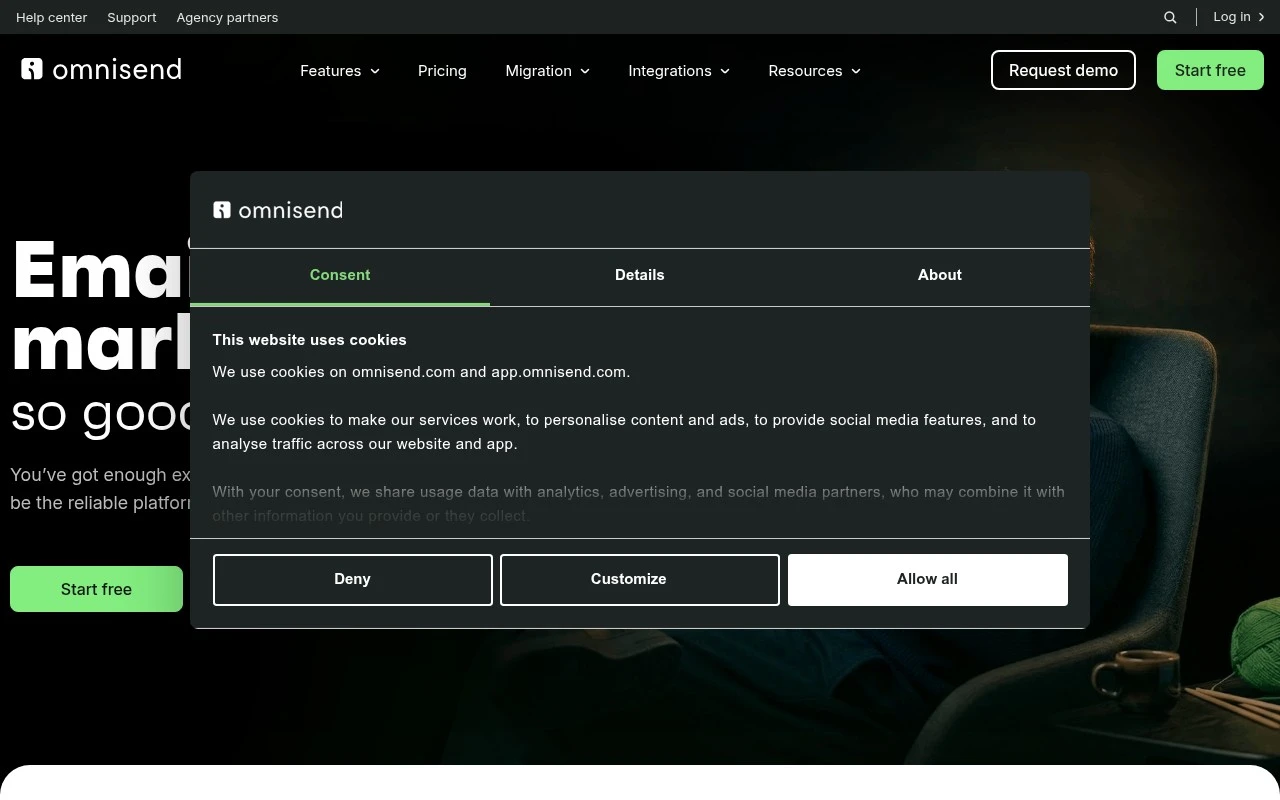
Omnisend is strong for customer segmentation when segments need to reflect ecommerce behaviour, helping store marketers target lifecycle and promo campaigns from shopping signals rather than generic contact fields. As an ecommerce lifecycle marketing platform, it fits lean growth teams and brands with established store stacks that want segmentation tied closely to their online store workflows. Less suited to non-ecommerce teams because its strongest audience logic is centered on online store data and shopping behaviour.

View Omnisend

FYAI Score

8.9 / 10

Based on 1,207 reviews
Paid only

Ecommerce marketing teams growing revenue with SMS and email

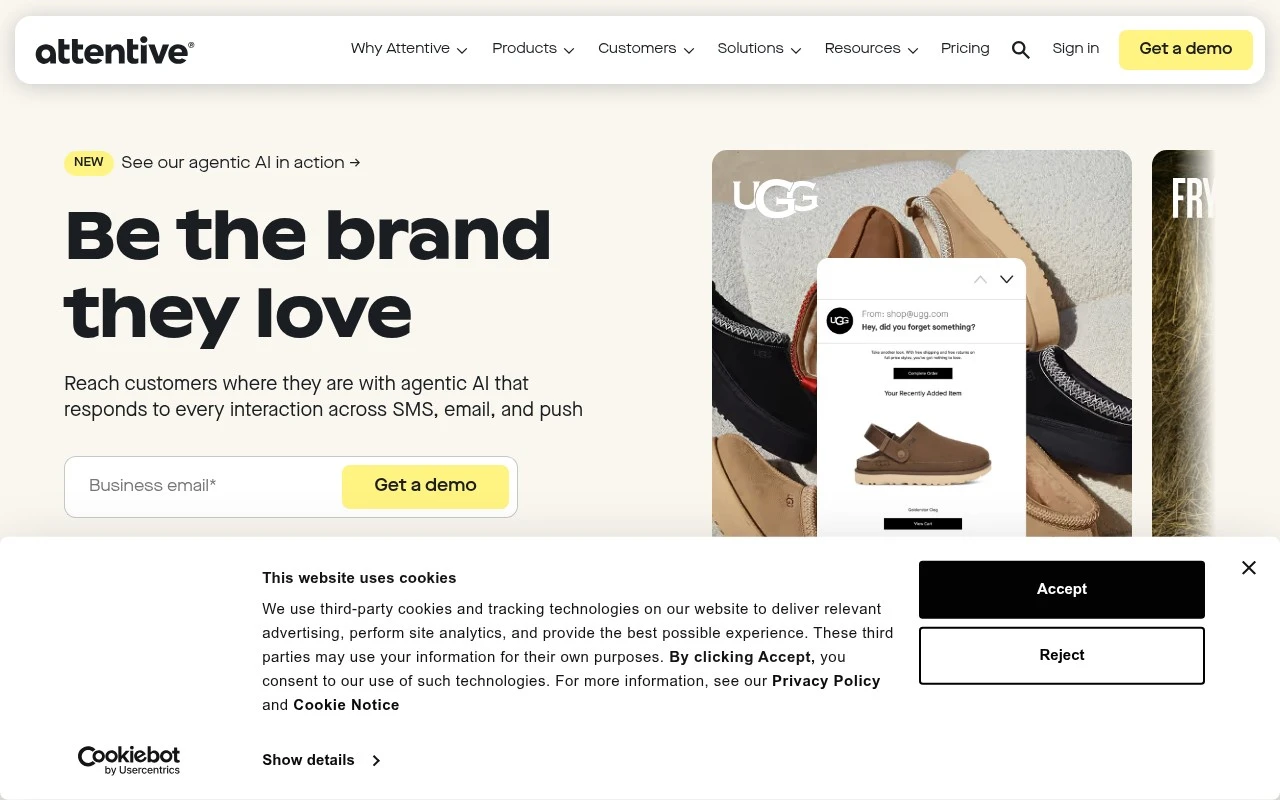
Retention and lifecycle marketers at ecommerce brands should consider Attentive when customer segmentation needs to feed revenue-focused messaging, not just sit as static lists. As an ecommerce owned-messaging platform, Attentive uses customer and behavioural signals to shape personalised audiences and lifecycle journeys, making it useful for teams that segment around engagement and repeat purchase. Less suited to teams seeking a broad all-in-one marketing suite because Attentive is centred on owned messaging rather than wider acquisition or content workflows.

View Attentive

FYAI Score

8.7 / 10

Based on 1,383 reviews

Freemium

Newsletter creators and publishers growing subscribers and revenue

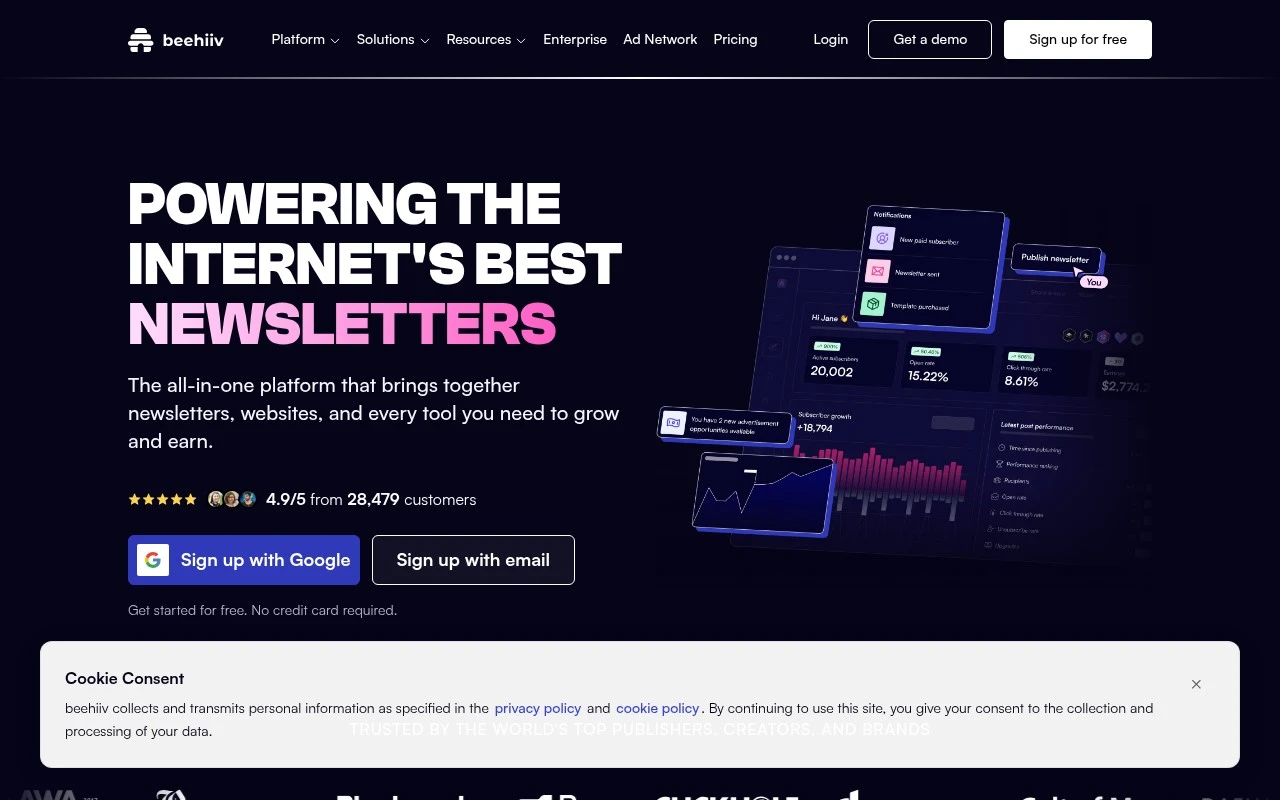
Beehiiv is a newsletter-first publishing platform, and it belongs here because its subscriber segmentation helps audience growth teams target readers without custom code. It fits creators, publishers, and small businesses that segment an owned newsletter audience rather than manage a wider customer database. Less suited to buyers seeking a general-purpose AI content generator because its AI features are tied to newsletter recommendations and segmentation rather than broad writing or creative workflows.

View Beehiiv

FYAI Score

8.7 / 10

Based on 366 reviews

Freemium

Ecommerce and DTC marketing teams driving retention and repeat sales

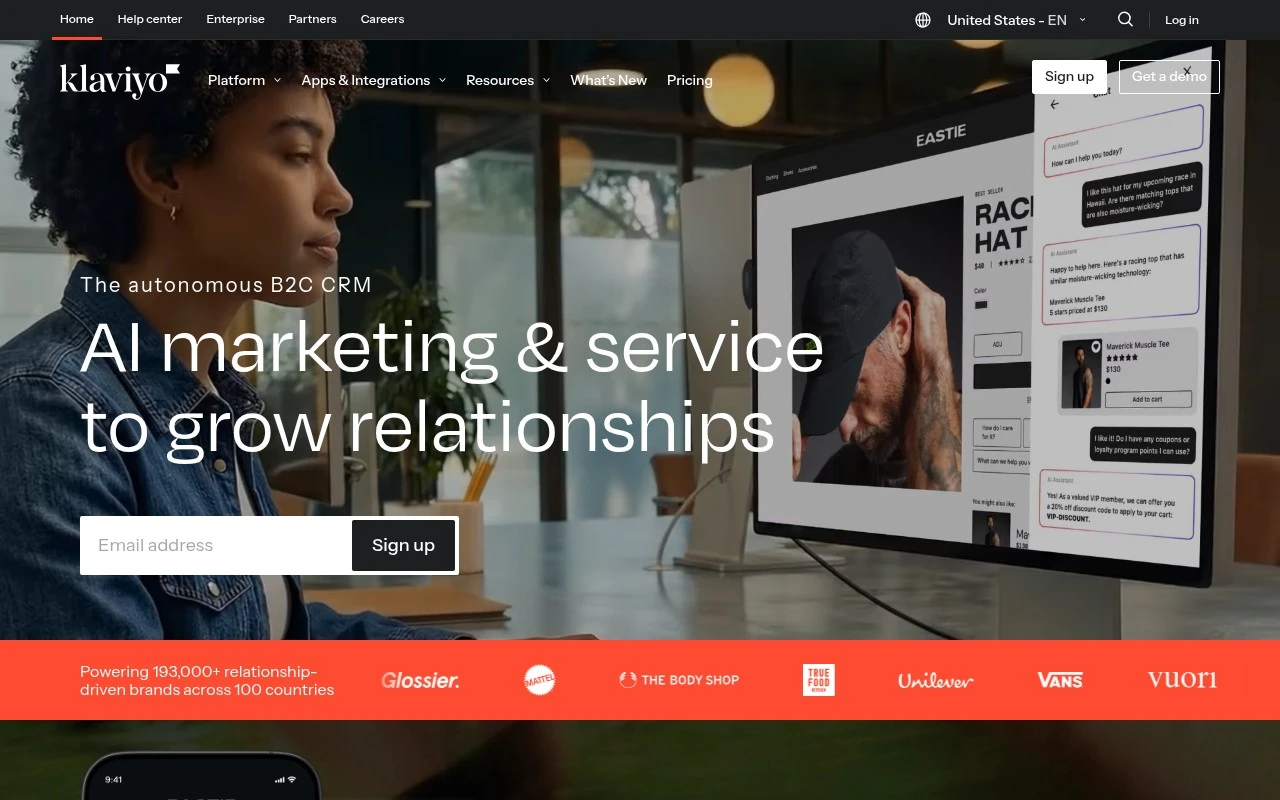
When you need to separate one-time buyers from likely repeat purchasers before the next retention campaign, Klaviyo gives ecommerce teams a practical way to turn customer behaviour into usable segments. It is an ecommerce retention marketing platform rather than a standalone segmentation tool, so it fits B2C and DTC lifecycle marketers who want segmentation tied directly to customer outreach. Its AI can help speed up segment review and surface insights for more relevant campaigns. Less suited to B2B, sales-led, or account-based teams because its data model and workflows are built primarily around consumer marketing and retention.

View Klaviyo

FYAI Score

8.5 / 10

Based on 1,355 reviews

Freemium

Small businesses and ecommerce teams growing email and SMS revenue

Mailchimp differs by tying customer segmentation directly to campaign execution rather than treating it as a standalone data exercise. As an email and SMS marketing platform for small businesses, it helps teams group audiences around lifecycle and ecommerce behaviour so campaigns can be more relevant without a dedicated marketing operations team. Less suited to large enterprises with complex marketing operations because its approachable all-in-one structure may not match highly customised data models and governance workflows.

View Mailchimp

FYAI Score

8.4 / 10

Based on 17,643 reviews

Freemium

SMBs running multichannel marketing and customer messaging

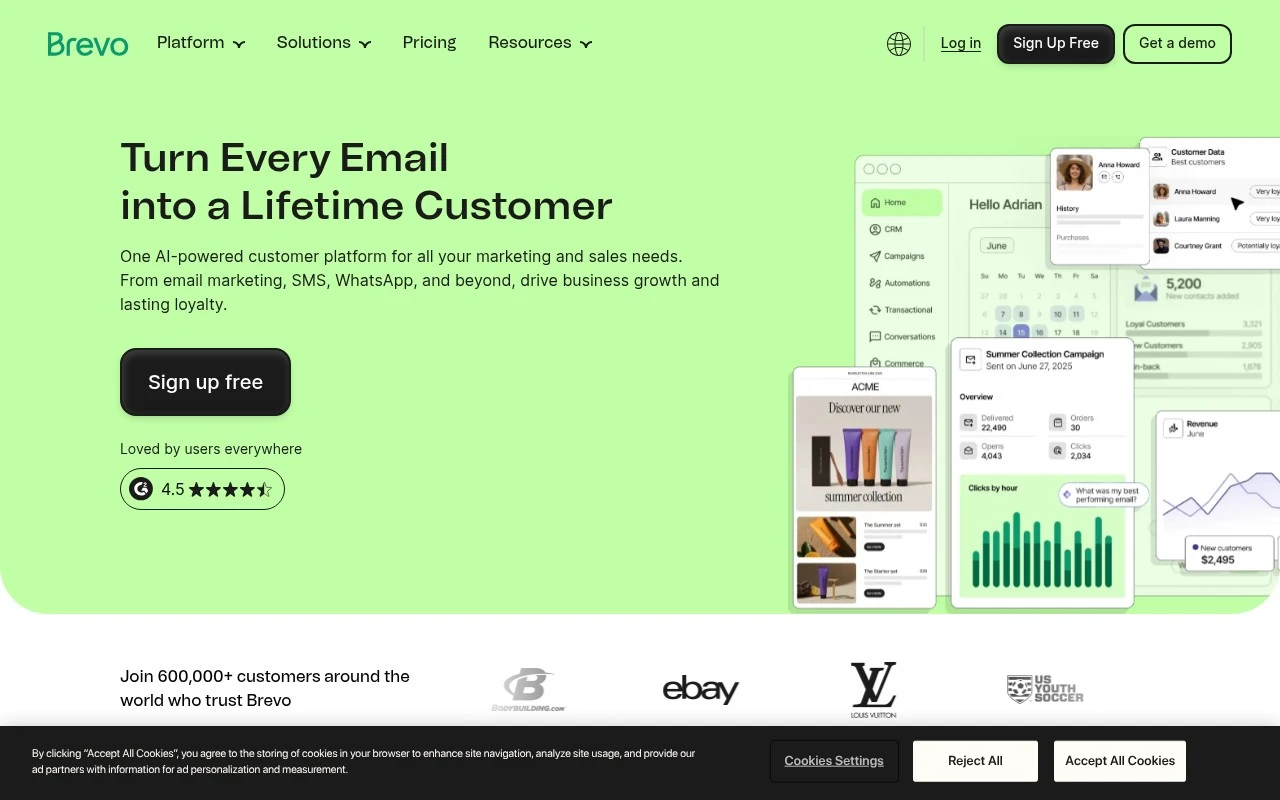
Aura AI-assisted segmentation is the main reason Brevo belongs here, helping teams turn customer data into usable audience groups inside an all-in-one customer engagement platform for SMBs. It fits small businesses and growing marketing teams that want segments to feed multichannel outreach rather than sit in a standalone analysis tool. Less suited to teams that only need a simple newsletter tool because its broader engagement suite can add unnecessary setup complexity.

View Brevo

FYAI Score

8.2 / 10

Based on 7,144 reviews

How to choose

  • Data Sources And Identity Matching

    Check whether the tool can combine store activity, email and SMS engagement, forms, subscription data, and web events so each segment reflects the same customer across touchpoints.

  • Segment Logic Depth

    Look for rules that combine lifecycle stage, purchase behavior, recency, frequency, value, preferences, and engagement so you can build more than basic static lists.

  • Automatic Refresh Rules

    Segments should update as customers browse, buy, subscribe, churn, or re-engage, because stale audiences quickly weaken personalization and campaign timing.

  • Channel Activation

    Judge how easily segments can be used in email, SMS, automations, forms, and retargeting workflows, since segmentation only matters when it changes what customers receive.

  • Segment Performance Reporting

    Prioritise reporting that breaks out revenue, retention, conversions, unsubscribes, and engagement by segment so you can see which customer groups are worth targeting differently.

Best for:

This page is for ecommerce marketers, lifecycle and CRM managers, SMS and email teams, and newsletter publishers who need segments they can use directly in campaigns. It also fits small business marketing leads who want customer groups based on engagement, purchase behavior, or subscription activity without building a custom data stack. Less suited to data science teams needing bespoke clustering models, enterprise identity resolution programmes, or research teams doing broad market sizing rather than campaign activation.

FAQ

Frequently asked
questions

Common questions about choosing the right tool,
comparing options, and getting started.

What is the best AI tool for customer segmentation?

Choose based on data fit, segment logic, activation channels, and reporting rather than a single winner. The comparison on this page helps match options to ecommerce, newsletter, SMS, and CRM use cases.

Are there free customer segmentation tools?

Yes, freemium customer segmentation tools exist, with options such as Omnisend, Beehiiv, Klaviyo, Mailchimp, and Brevo offering access without starting on a paid-only model. Free access is usually best for validating basic segments before scaling campaign volume.

What customer segmentation types should marketing tools support?

Look for lifecycle, purchase behavior, engagement, value, preference, and location-based segments. These cover common campaign needs such as winback, repeat purchase, personalization, and subscriber targeting.

What is the difference between market segmentation and customer segmentation?

Market segmentation divides a broad potential audience, while customer segmentation groups known contacts or buyers using first-party data. Marketing teams use customer segments to trigger campaigns, personalize messages, and measure retention.

Every tool on FindyourAI is scored on the same independent criteria, not on who pays. We may earn a commission if you sign up through our links, at no cost to you.